What the historic snow drought means for water, wildfires and the future of the West
Published in News & Features
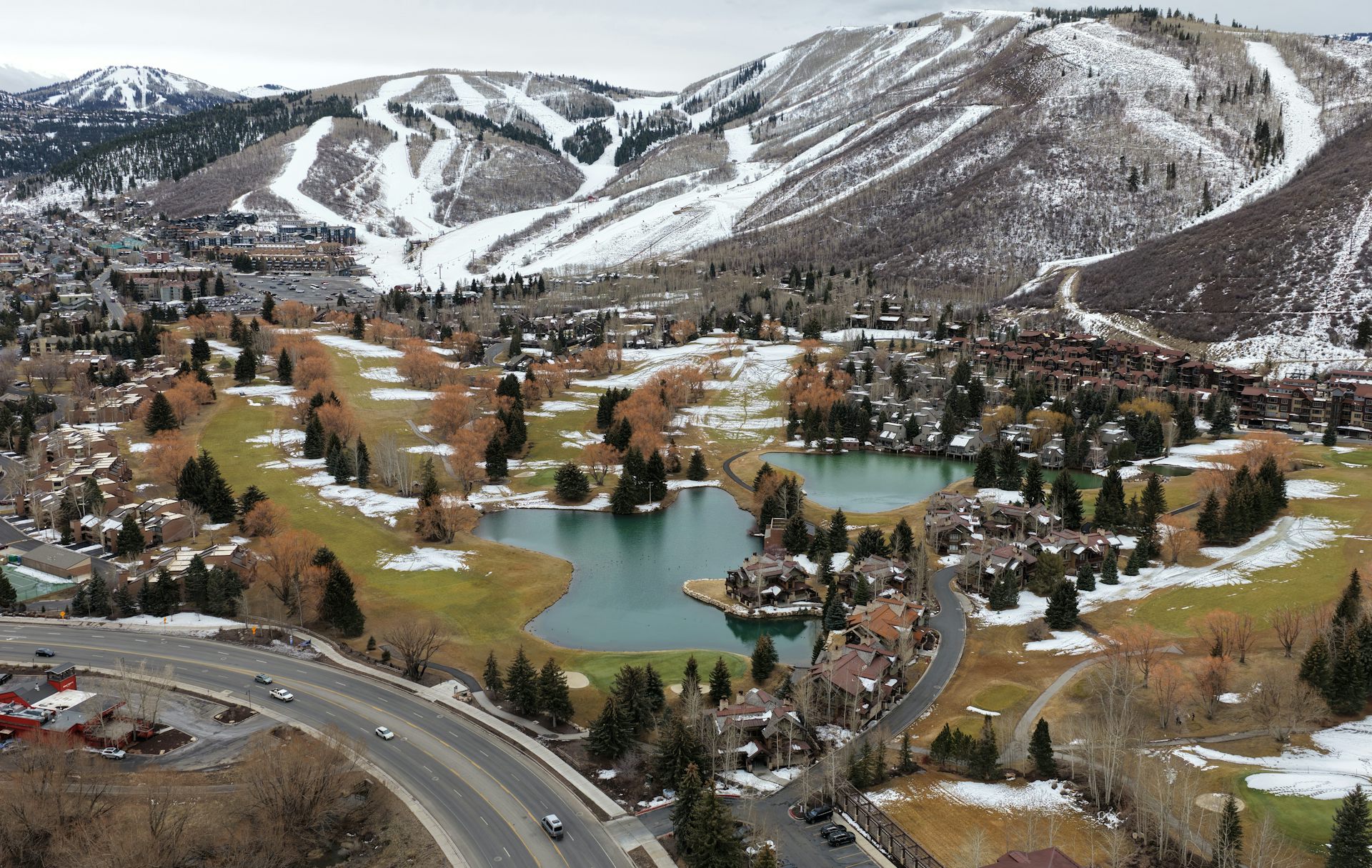
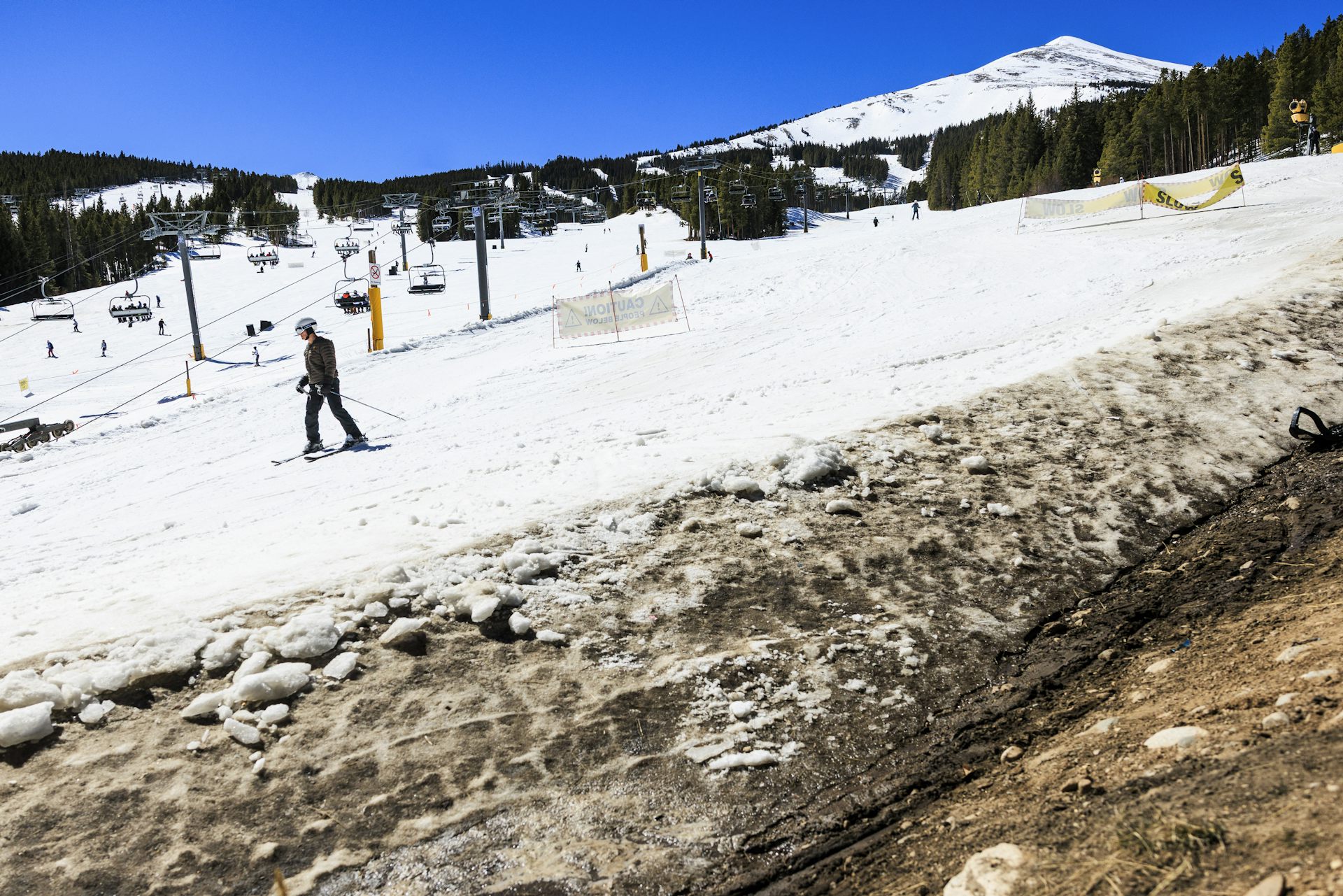
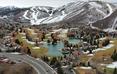

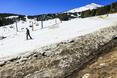
Across much of the Western United States, winter 2026 was the year the snow never came. Many ski resorts got by with snowmaking but shut down their winter operations early. Fire officials and water supply managers are worried about summer.
Where I live in Boise, Idaho, temperatures hit the low 80s Fahrenheit (high-20s Celsius) in mid-March. The same heat dome sent temperatures soaring to 105 F (40 C) in Phoenix.
Ordinarily, water managers and hydrologists like me who study the Western U.S. expect the mountain snowpacks to be at their fullest around April 1. Snowpacks are natural reservoirs of water that farms and communities depend on through the hot, dry summer. Their snow water equivalent, meaning the amount of liquid water in the snowpack, is seen as a bellwether for water supplies.
But the 2026 water year has been anything but ordinary. In fact, its snow drought has few historical analogs.
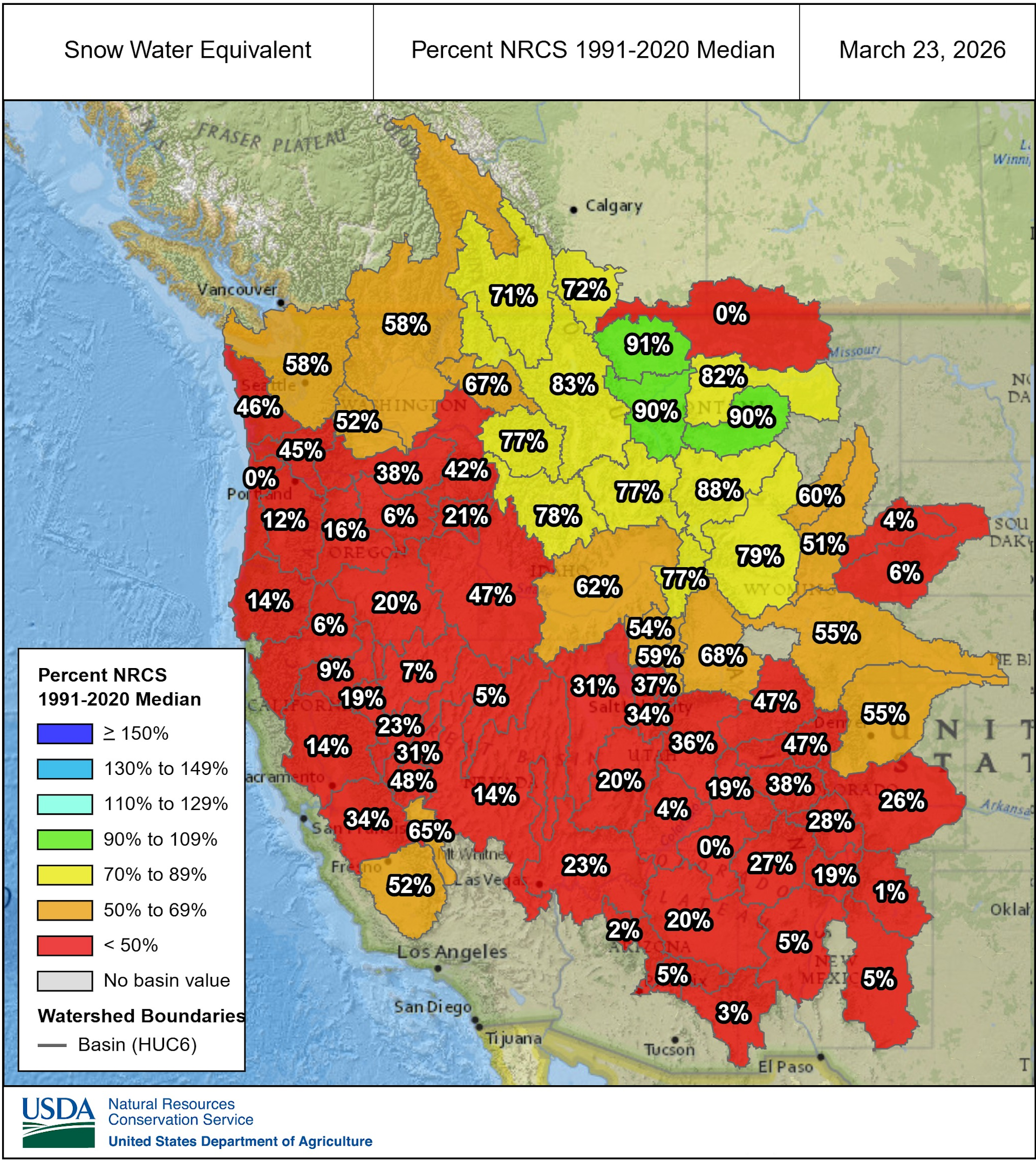
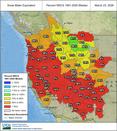
Data from the U.S. Department of Agriculture’s Natural Resources Conservation Service shows that out of approximately 70 river basins across the Western U.S., only five are at or above the 1991-2020 median snow water equivalent for this time of year. Most of those are clustered around the Yellowstone region of western Wyoming and eastern Idaho.
By contrast, 11 basins have less than 25% of the 1991-2020 median, and more than half are below 50%. The headwaters of critically important rivers, including the Colorado, the Columbia and the Missouri, are peppered with basins that are far below historical averages.
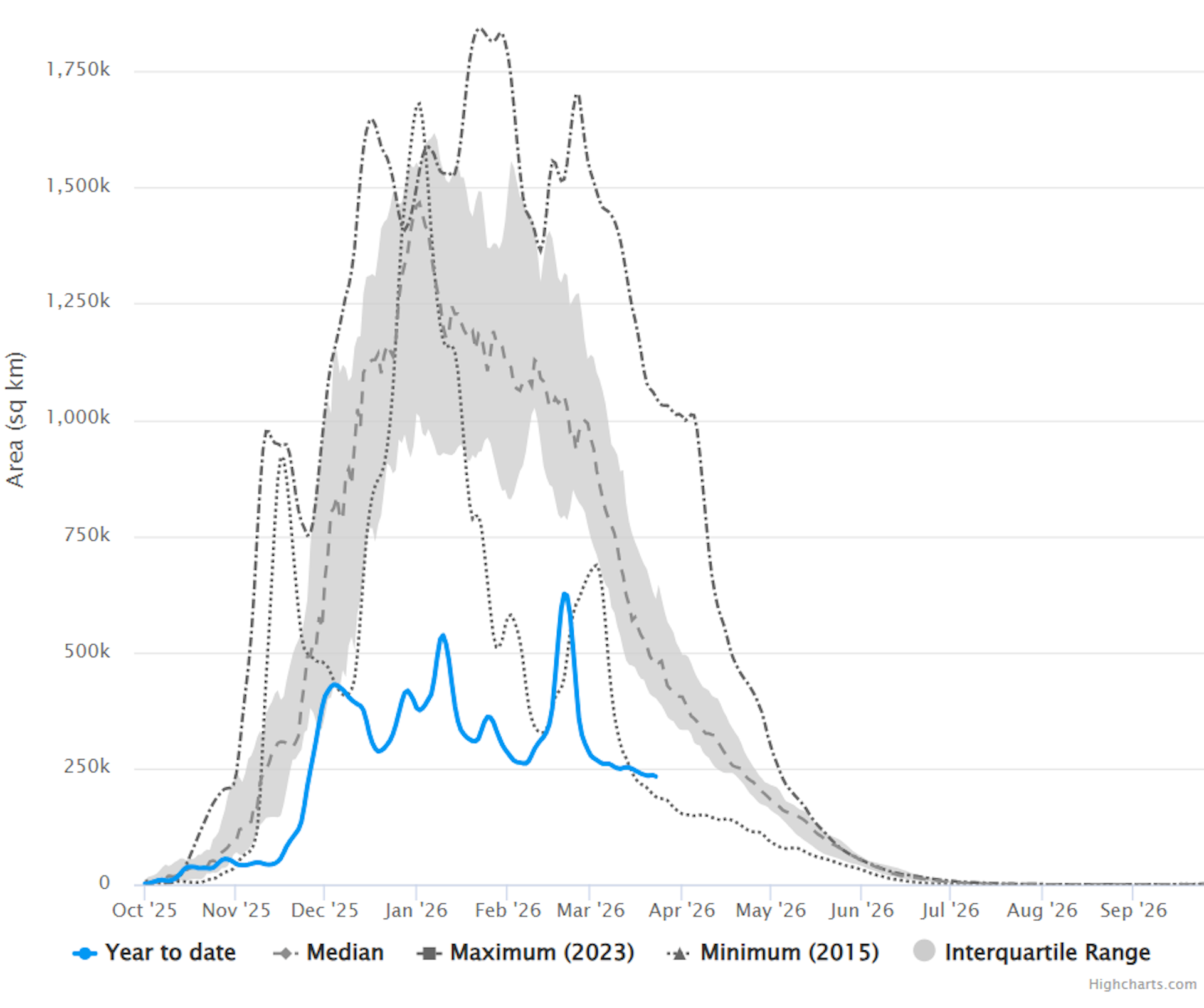
Other important measures of snow water storage and ecosystem health, including which areas have snow cover in the Western U.S and how long it’s been there, also point toward snow reserves that are far below recent years.
Just because the Western U.S. is in a snow drought doesn’t mean it isn’t getting precipitation. Temperatures have been high enough since the start of the water year in October that a lot of what normally would have fallen as snow fell as rain instead.
The West experienced a very warm December at all but the highest elevations, but strong storms also drenched large parts of the region. Washington state was swamped with rain that triggered flooding and melted the existing snowpack.
Temperatures in January were less extreme but still warmer than historical averages. However, precipitation in January was far below the 1991-2020 average throughout much of the region. February brought precipitation conditions closer to historical averages, but temperatures were much warmer than normal.
The Western U.S., therefore, got a triple whammy: Two of the three critical snow-accumulation months were too warm, and the third was too dry.
So what does this mean for water supplies and river flows?
A recent assessment of drought conditions from NOAA’s National Integrated Drought Information System suggests 2026 will be a tight year for water supplies.
Water managers in Wyoming and Washington are already signaling that some water rights holders – cities, irrigation districts, individual farms and industries can take limited amounts of water from rivers, canals and aquifers – can expect to receive less than their full allotment of water in 2026. It’s not unreasonable to expect other states to soon follow suit.
Throughout the Western U.S., water rights are administered according to the Doctrine of Prior Appropriation – those who hold the oldest legitimate claims to water from a river, reservoir or aquifer are entitled to receive their allotments first.
Junior water rights holders who may be at risk of receiving less than their full allotment of water likely have difficult decisions ahead related to the planting and management of their crops. The challenges are compounded by the likelihood of increases in fertilizer and transportation costs associated with the ongoing war in Iran.
In the Colorado River Basin, the U.S. Bureau of Reclamation’s most probable forecast indicates water levels in Lake Powell falling below the minimum power pool elevation in December 2026. That’s bad news for power supplies, because below that level, the Glen Canyon Dam can’t produce hydroelectric power. The dam contributes power for millions of customers across seven states.
Another big concern is whether the historic snow drought is setting up the West for a bad fire season. That’s still an open question.
Rain has meant moisture is available now for plants to grow, but the lack of snowpack that normally keeps meltwater flowing through summer raises concerns about whether those plants will dry out, leaving them ready to burn.
Fire is a historically important feature of the forest and rangeland ecosystems of the West, and these ecosystems are to some degree adapted to large swings in conditions from year to year and season to season.
Because precipitation across much of the West is close to historical averages, there is snow in some of the highest-elevation mountains. And at lower elevations, some of the precipitation that fell as rain likely remains in the soils.
Weather conditions in the late spring and summer – how much rain falls and how hot and dry conditions become – will play critical roles in determining the shape forests and rangelands will be in for fire season.
The record-low snowpack may be a harbinger of what a warmer future will look like in the region. Many researchers have investigated how climate change will influence snowpacks and water supply throughout the Western U.S., but questions and critical challenges remain.
Among them: In years like this, with near-normal precipitation but low snowpack, are there difficult-to-observe stores of water in the deeper subsurface that can help buffer against loss of snow for periods of time? That’s one of several questions my colleagues and I have been working on.
This year’s snow drought presents a timely, albeit high-stakes, stress test for the West. Everyone will be watching.
This article is republished from The Conversation, a nonprofit, independent news organization bringing you facts and trustworthy analysis to help you make sense of our complex world. It was written by: Alejandro N. Flores, Boise State University
Read more:
The western US is in a snow drought, and storms have been making it worse
Sixth year of drought in Texas and Oklahoma leaves ranchers facing wildfires and bracing for another tough year
Warming winters are disrupting the hidden world of fungi – the result can shift mountain grasslands to scrub
Alejandro N. Flores receives funding from the National Science Foundation, the US Bureau of Reclamation, and the USDA Agricultural Research Service.






Comments