
My Pet World: When sweet pets send strong signals



Dear Cathy,
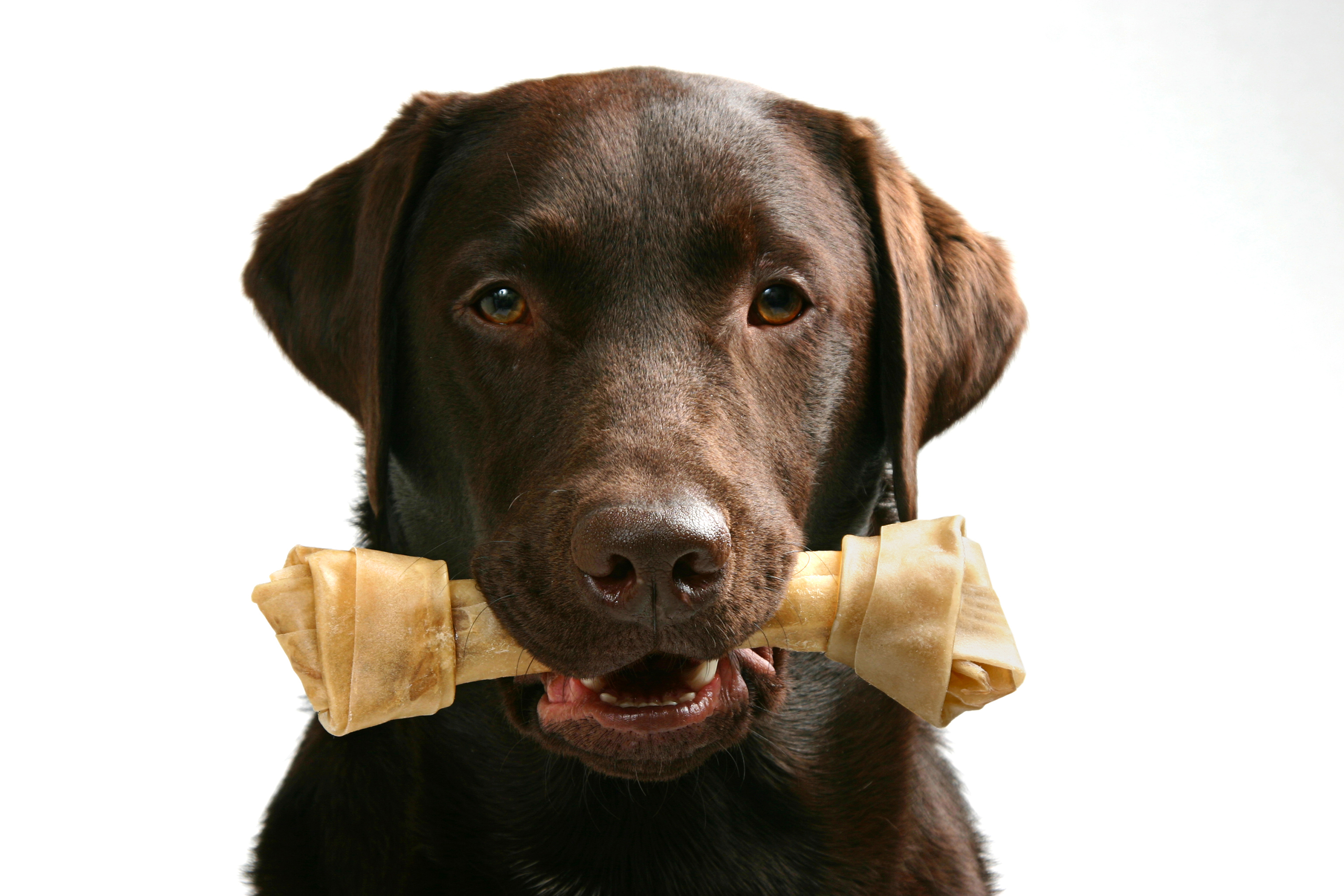
Our sweet Golden Retriever growls if anyone comes near her when she has a bone. She has never bitten, but it makes us nervous, especially when our grandchildren visit. Should we take the bones away altogether, or is there a way to fix this?
– Patricia, Chicago, Illinois
Dear Patricia,
What you’re describing is called resource guarding, and it’s more common than many dog owners realize. When your Golden Retriever growls over a bone, she isn’t being “mean” or dominant – she’s communicating. The growl is her way of saying, “I’m worried this might be taken away.” In fact, the growl is useful information. It’s a warning signal, and we want dogs to give warnings rather than skip straight to a snap.
Guarding often happens with high-value items like bones, chews, or special treats. Even very sweet, well-socialized dogs can guard prized possessions. The key is to manage the situation thoughtfully and safely, especially with grandchildren in the home.
First, prevention is important. If young children are visiting, the safest option is to avoid giving your dog bones or long-lasting chews when they’re around.
Second, rather than taking bones away abruptly, begin teaching her that people approaching means something better happens. This is called “trading up.” While she has a lower-value chew, calmly approach, toss a small, high-value treat (like tiny bits of chicken) near her, and walk away.
Do not reach for the bone at first. Repeat this over several sessions so she begins to associate your approach with good things rather than loss. After a little time, you can briefly pick up the item, offer a treat, and then return it to her. The goal is to build trust.
It’s also helpful to practice cues like “drop it” and “leave it” using toys during play sessions, where there is less emotional attachment than with food. Reward generously when she complies. Avoid punishing or scolding a growl. Suppressing the warning can create a dog who skips the growl next time and goes straight to a bite. We want her to feel safe, not threatened.
Just as important, teach your grandchildren never to touch or grab a dog’s toy, treat, chewie, or food, even if the dog has walked away. Children should understand that when a dog has something special, it belongs to the dog. That simple rule protects both the child and the pet.
Your dog isn’t bad; she’s just communicating. With training and clear boundaries for everyone in the household, your situation should improve.
Dear Cathy,
I recently adopted a six-year-old, spayed female cat from a shelter. She is well behaved, except for one issue. She goes after my hand in the "bunny kick" syndrome where she will try and bring my hand up to her mouth and scratch or bite me. I have tried some recommendations, such as sternly saying "no," and trying to substitute a toy for my hand, but no improvement. Any thoughts?
– Bethpage, New York
Dear Paul,
What you’re describing is common prey behavior. Cats are wired to grab and hold prey with their front paws while raking with their powerful back legs. If hands have ever been used as toys – even briefly – some cats learn that fingers and wrists are fair game.
Saying “no” rarely works because cats don’t connect verbal corrections to their behavior the way dogs might. Instead, focus on prevention. Make it a firm rule: Hands are never toys. No wrestling, no finger wiggling, no playful tapping. If she wants to grab and kick, offer her a large stuffed sock toy that she can latch onto safely – and that will spare your hands from teeth and claws.
Next, increase structured play with wand or fishing-pole toys so she can stalk, chase, and pounce at a distance. Just 10 minutes once or twice daily gives her an appropriate outlet for those hunting instincts and can help reduce ambush behavior.
If she does latch onto your hand, don’t yank it away. Pulling back will intensify her grip (as you likely already know). Instead, freeze, gently press in slightly to loosen her hold, then calmly disengage and end the interaction. Watch for early signs of overstimulation – a twitching tail, ears turning back, dilated pupils – and stop petting and playing before she escalates.
Just remember, this is normal prey behavior. Cats are hardwired to grab, hold, and “disembowel” their catch with those powerful back legs. The healthiest way to channel that instinct is through toys they can stalk, chase, and pounce on – not hands or fingers. Keeping hands completely out of the play equation, and being consistent about it, will usually solve the problem.
_____
_____
========
(Cathy M. Rosenthal is a longtime animal advocate, author, columnist and pet expert who has more than 25 years in the animal welfare field. Send your pet questions, stories and tips to cathy@petpundit.com. Please include your name, city, and state. You can follow her @cathymrosenthal.)
©2026 Tribune Content Agency, LLC.
(c) 2026 DISTRIBUTED BY TRIBUNE MEDIA SERVICES, INC.






Comments