NATO Stands On National Security And Lately Social Change
Published in Cannabis Daily
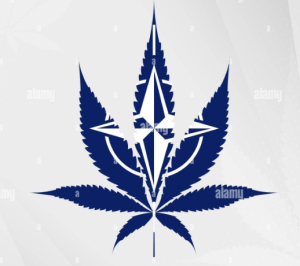
Today, NATO stands on national security and lately social change, as many member nations rethink long-standing policies on cannabis, medicine, and public health. The North Atlantic Treaty Organization (NATO) was founded in 1949 in the aftermath of World War II, at a moment when much of Europe lay in ruins and geopolitical tensions with the Soviet Union were escalating. Its core purpose was simple but profound: collective defense. Under Article 5 of the NATO treaty, an attack on one member is considered an attack on all, binding countries together through mutual military and political support. Today, NATO stands on national security and lately social change. For more than seven decades, NATO has served as a cornerstone of transatlantic security, expanding from its original 12 members to 31 countries across North America and Europe. While NATO’s mandate is strictly focused on defense, shared values—such as democracy, rule of law, and individual freedoms—have also played a central role in shaping cooperation among its members. Over time, those shared values have influenced not only military coordination, but also broader social and public-health policies within member states. One area where this convergence is increasingly visible is cannabis policy.
Historically, most NATO countries followed strict drug prohibition models throughout the Cold War era, influenced by international treaties and domestic concerns about public health and social stability. Cannabis, like most controlled substances, was criminalized across the alliance. That consensus has changed dramatically over the past 25 years. Today, a clear majority of NATO member states allow some form of legal cannabis use, most commonly through medical marijuana programs. Countries including Germany, the United Kingdom, Canada, Italy, the Netherlands, Poland, Greece, and many others permit cannabis for medical purposes under regulated systems. These programs are typically prescribed for chronic pain, cancer-related symptoms, epilepsy, multiple sclerosis, and other serious conditions. Canada stands out as the most expansive example, having legalized recreational cannabis nationwide in 2018. While Canada’s policy is not shared by most NATO members, it reflects a broader shift away from criminalization and toward regulation, harm reduction, and public-health oversight. Across Europe, several NATO countries have adopted partial decriminalization or tolerance policies. The Netherlands has long been known for its regulated cannabis “coffee shop” system, even while production remained technically illegal for decades. Spain permits private cannabis clubs, while Portugal—though not fully legalizing cannabis—decriminalized possession of all drugs in 2001, treating use as a health issue rather than a criminal offense. More recently, Germany has moved to legalize personal possession and home cultivation for adults, marking one of the most significant cannabis policy shifts within NATO Europe. Importantly, NATO itself does not set or coordinate drug policy. Each member state retains full sovereignty over its laws. However, the widespread adoption of medical cannabis across the alliance highlights a shared willingness to reevaluate long-standing prohibitions in light of scientific research, patient advocacy, and changing public opinion. In that sense, NATO countries continue to support one another not only through military commitments, but through a gradual alignment on evidence-based social policy. While cannabis laws still vary widely among members, the overall trend is clear: across the NATO alliance, cannabis is increasingly viewed less as a criminal threat and more as a regulated medical and societal issue. As public attitudes continue to evolve, cannabis policy may remain a telling indicator of how NATO nations balance tradition, science, and individual liberty—while remaining united on matters of collective security.
The Fresh Toast is a daily lifestyle platform with a side of cannabis. For more information, visit www.thefreshtoast.com.


















Comments